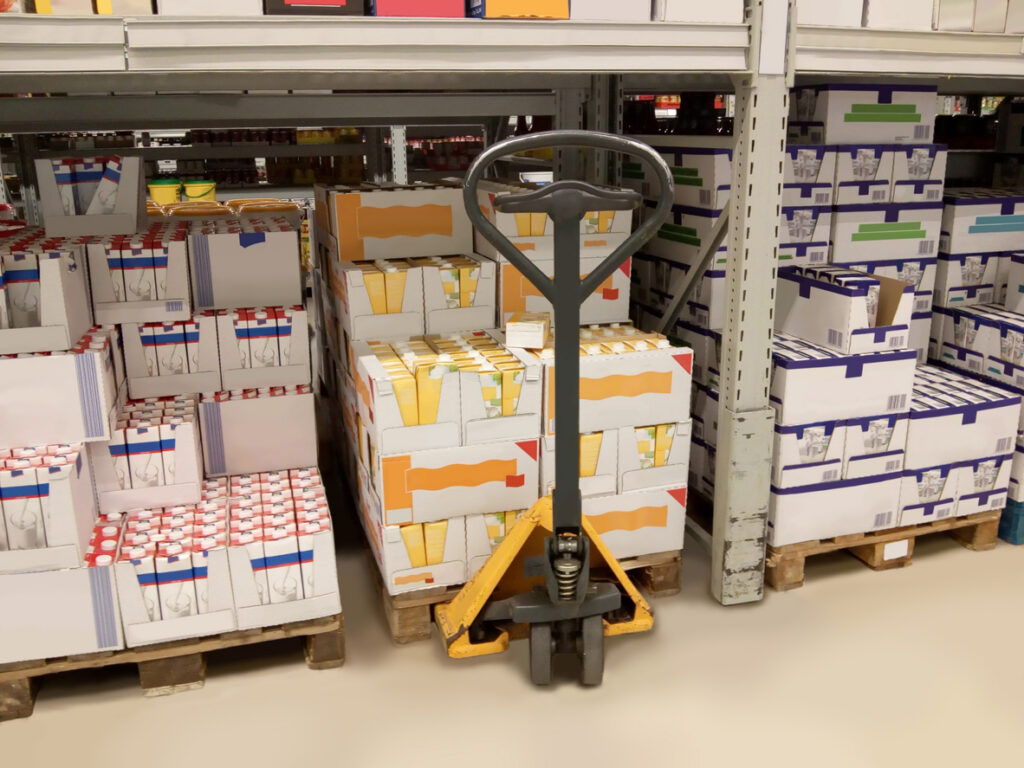
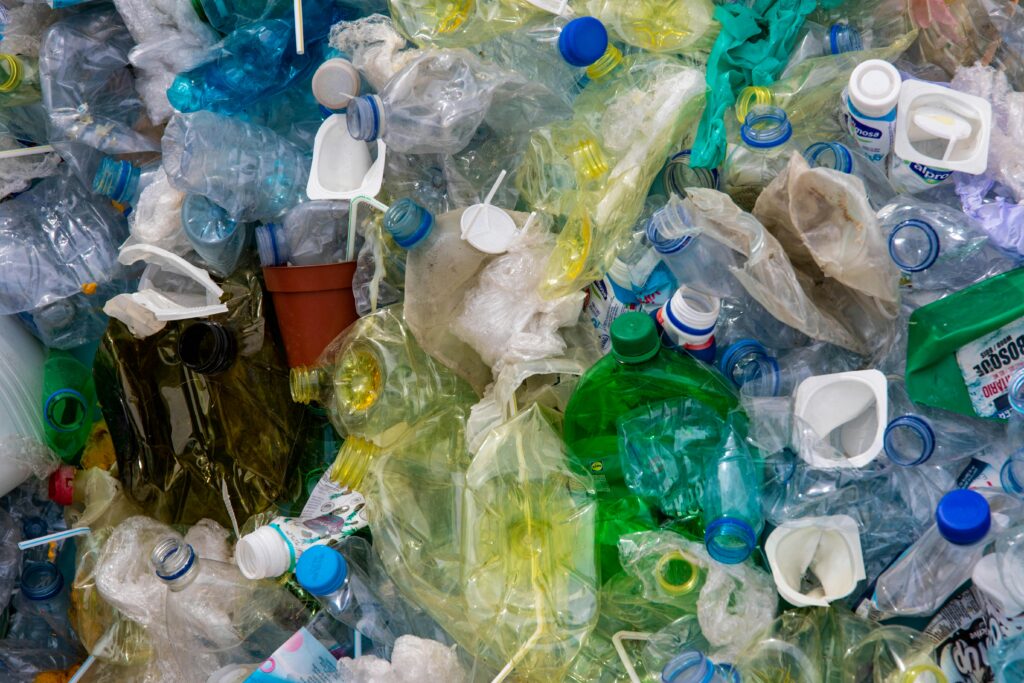
In food production environments, disposal decisions are often made under operational pressure. Storage space is limited, production schedules are tight, and materials that can no longer move forward in the human food supply must be removed quickly to protect throughput.
In that setting, landfill and sewer discharge frequently become the default. Not because they have been evaluated as the most strategic options, but because they are familiar, accessible, and immediate. What cannot be sold is either trucked away to be buried or sent down the drain. Because it works operationally, it rarely gets questioned.
At first glance, landfill appears straightforward. Transportation is scheduled, tipping fees are paid, and the material leaves the facility. The transaction is clear and the cost is visible.
Over time, however, reliance on landfill as a primary outlet introduces inefficiencies and indirect costs that extend well beyond the haul itself.
The Operational Pattern Behind Disposal
When landfill becomes the default outlet, it often evolves into a set it and forget it model. A container is placed. A pickup schedule is established. As long as material leaves the site, the system is considered functional. But functional is not the same as optimized.
Most hauling contracts are structured around volume and frequency. The more material removed, the more the system performs as designed. There is little incentive to stabilize or reduce the stream. The focus remains on managing exit, not managing volume.
Over time, this creates reactive patterns. Pickup frequency increases during production spikes. Emergency hauls prevent overflow. Production managers adjust logistics instead of focusing on output and quality.
A similar dynamic occurs on the liquid side. When sewer becomes the default outlet, product loss flows down the drain. Instead of additional trucks, the impact shows up in elevated BOD levels, surcharge variability, or strain on pretreatment systems. The material exits, but instability remains.
Landfill and sewer infrastructure are necessary. The issue is not their existence. It is the absence of deliberate stream design. In a removal based model, systems respond to volume rather than helping control it.
The facility absorbs the cost.
The system perpetuates the volume.
What appears operationally stable can quietly erode efficiency.
The Value Remaining in the Material
Food byproducts do not lose all value when they exit the primary supply chain. Nutritional content remains, along with the resources embedded in producing that material.
In many cases, these byproducts are well suited for productive reuse, particularly through animal feed programs that retain nutritional value within the food system.
When landfill is used by default, that value is eliminated rather than redirected. The immediate problem is solved. The opportunity to preserve value is not.
Over time, the cumulative impact of that lost value can outweigh the perceived simplicity of disposal.
Reporting and Documentation Considerations
Removal via landfill or sewer does more than move material. It mixes it.
Once consolidated into a landfill cell or blended into a wastewater stream, individual material characteristics are lost. Nutritional value, recoverable solids, packaging components, and moisture content are no longer distinguishable. Separation becomes impractical. Recovery becomes unlikely.
Mixing eliminates optionality.
When streams are combined before evaluation, the opportunity to route material to higher uses disappears. What may have held feed value, energy potential, or nutrient recovery capacity is reduced to aggregate waste.
Disposal tickets and discharge reports document exit. They confirm where material went. They do not demonstrate what was preserved, because once mixed, preservation is no longer possible.
Organizations with landfill diversion goals require more than confirmation of removal. They require traceability, maintained separation, and verified end use.
Facilities that implement structured routing programs preserve material identity long enough to evaluate and direct it intentionally. That enables measurable diversion, defensible reporting, and credible performance metrics.
Documentation of removal records movement.
Documentation of outcome records value.
Moving From Default to Deliberate
Food production will always generate byproducts. Conversion creates residual material. That is inherent to the system.
The highest standard is not simply reducing landfill or sewer discharge. It is eliminating unmanaged material.
Zero waste does not mean zero byproducts.
It means zero material without a defined purpose.
When solids are no longer automatically buried and liquids are no longer automatically sent down the drain, streams remain intact long enough to be evaluated. Value is assessed before disposal. Routing becomes intentional rather than habitual.
Waste stops being a default outcome and becomes a deliberate decision. That is the shift underway in modern food production.
In an industry measured by efficiency, transparency, and margin discipline, design, not disposal, is becoming the benchmark.