Food manufacturers often ask this question, and for good reason. It reflects a growing focus on how food byproducts can be managed responsibly while preserving value. That initial question typically leads to more specific ones, such as:
- Can surplus cheese be recycled?
• What about off-spec dairy powders?
• Are there recovery options for outdated packaging or unused labels?
The answer to many of these questions is the same: it depends on the material itself.
Many byproducts that can no longer enter the human food supply still retain nutritional value. In some cases, that value can be safely redirected into livestock nutrition. The determining factor is whether the material can meet feed safety, regulatory, and operational requirements.
Dairy Products, Cheese, and Yogurt
Surplus dairy is one of the most frequently evaluated material streams. In many situations, products such as cheese, yogurt, and liquid dairy can be incorporated into animal feed programs. These materials often retain significant energy and protein value that can support livestock rations when handled correctly.
Moisture content, packaging type, storage conditions, contamination risk, and volume consistency all influence feasibility. Dry dairy ingredients and bulk dairy streams are also commonly reviewed. The determining factor is not simply that a product is dairy, but whether it can be safely integrated into a feeding program while meeting regulatory standards.
Bakery, Grain, and Packaged Goods
Bakery products represent another common category of recoverable materials. Bread, tortillas, snack foods, cereal products, and certain confectionery goods often contain substantial caloric value and may be suitable for feed applications.
When these products are packaged, depackaging systems can separate organic material from certain packaging types, allowing the food component to be recovered while packaging is managed appropriately. As with dairy, packaging composition, contamination risk, and supply consistency determine feasibility.
Beverage and Liquid Byproducts
Certain beverage and liquid food streams may also qualify for feed programs, particularly when they are non-hazardous and contain usable nutritional components. Liquid dairy, beverage blends, and off-spec ingredient batches are frequently evaluated for potential integration into livestock feed.
Storage requirements, transportation logistics, and product composition determine whether the material can be managed effectively within agricultural operations.
Materials That Typically Do Not Qualify
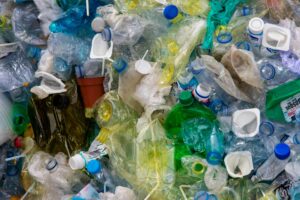
Not all materials are appropriate for animal feed. Products affected by contamination, foreign material, or safety concerns generally require destruction rather than recovery. Packaging scrap, unused labels, and materials without recoverable organic value do not qualify for feed pathways.
Feed programs are designed to preserve nutritional value. When no recoverable value remains, alternative recovery or disposal pathways must be used.
Evaluation Comes First
There is no universal acceptance list for animal feed programs. Every material stream must be evaluated based on composition, safety, volume, and downstream compatibility.
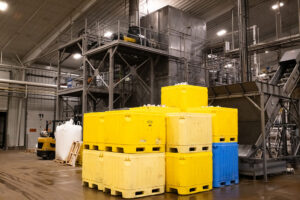
Structured feed programs rely on consistent routing, proper storage, and documented chain of custody from pickup through verified end use. The objective is not simply landfill diversion, but value preservation wherever feasible.
If you are reviewing a material stream and want to understand available recovery pathways, Nutrition 101 can assess composition, volume, and handling requirements to determine the most appropriate routing.